

SLEEP IMPLANT
Implants Under Sedation
Sleep implant treatment is an approach that allows patients with significant tension or fear of dental treatment to receive implant treatment in a sedated state.
It generally aims to ease the patient's tension through conscious sedation, and whether it can be applied is decided based on the patient's health and the treatment involved.
Unlike general anesthesia, the patient breathes on their own and does not fully lose consciousness during the procedure.
Sleep implant treatment is not applied the same way to every patient, so overall health and current medications must be checked and discussed thoroughly with the dental team beforehand.
Before and After Implant Treatment Under Sedation
Before-and-after photographs of actual patients treated at MIND Dental Clinic.
- ※ After implant treatment, pain, swelling, bleeding, infection, nerve injury, peri-implantitis, and other complications may occur depending on the individual. Please proceed only after thorough consultation with your dental care team.
- ※ The person in the before and after photos is the same individual.
- ※ The photos were taken under the same conditions, including location and lighting.
- ※ Treatment results may vary depending on individual conditions.
- ※ These are actual treatment cases of patients treated at this clinic.
- ※ The before and after dates are shown in the photos, and no retouching has been applied.
Benefits of Implant Treatment Under Sedation
Easing tension
It can help reduce tension or fear about dental treatment.
Treatment cooperation
Depending on the patient's condition and level of sedation, it can help with cooperation and movement control needed during treatment.
Easing the burden of treatment
Depending on the patient's condition, it may help reduce the psychological burden of long appointments.
Monitoring during treatment
When sedation is used, continuously monitoring the patient's breathing and vital signs is important.
Who may consider sleep implants
In the following situations, you can discuss the possibility of sedation with the dental team.
Strong dental fear or tension
If fear or tension about dental treatment makes long appointments difficult, you can discuss the possibility of sedation with the dental team.
Multiple teeth need treatment
When implants are needed in several areas, sedation may be considered depending on overall health and the treatment plan.
Strong gag reflex
Patients with a strong gag reflex when dental instruments enter the mouth can discuss ways to reduce the burden of treatment.
Long treatment expected
When treatment is extensive or a long appointment is needed, sedation may be considered after evaluating health and suitability.
These items describe situations in which sedation can be discussed; they do not mean every patient is a candidate for sleep implants. Whether it can actually be applied is decided by the dental team's diagnosis and evaluation.
Sleep implant treatment process
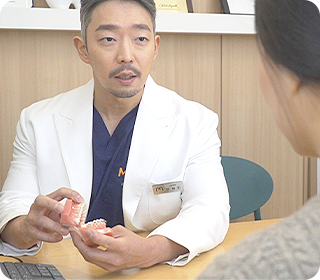
STEP 01
Initial visit and detailed diagnosis
We check oral and overall health and review the implant treatment plan and whether sedation can be applied.
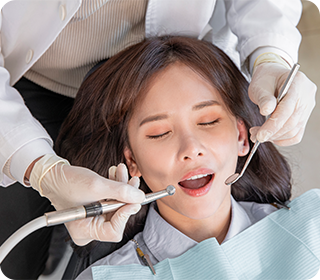
STEP 02
Sedation preparation
We plan sedation suited to the patient's condition and provide the necessary guidance and preparation before the procedure.
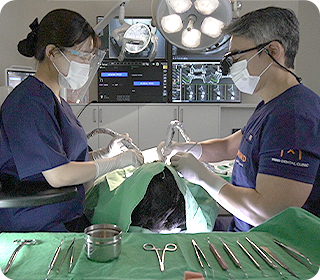
STEP 03
Implant Placement
The planned implant treatment is carried out while monitoring the patient's condition.
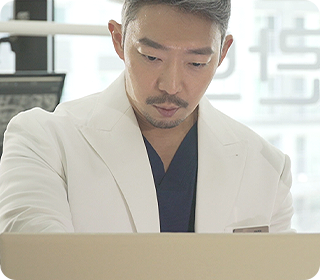
STEP 04
Recovery and discharge guidance
After the procedure we check recovery and explain precautions for going home and the follow-up schedule.
Precautions for Implant Treatment Under Sedation
Before the Procedure
- Be sure to tell your dentist about high blood pressure, diabetes, heart disease, allergies, and any medications you take.
- Tell us if you have a cold or respiratory illness, even on the day of the procedure.
- Do not drink water for 2 hours or eat food for 4–6 hours before your appointment.
- If you have nail polish or nail art, remove it from at least one fingernail before your visit.
- You must be accompanied by a responsible adult, as driving and operating machinery are prohibited on the day of the procedure.
After the Procedure
- Do not go home until your alertness and movement have recovered after sedation.
- Tell the clinical team if the sedative causes vomiting.
- Once your vital signs are stable, you may go home with your accompanying adult.
- Do not drive yourself home.
Sleep implant FAQ
Is a sleep implant the same as general anesthesia?
The sedation used for sleep implants is distinct from general anesthesia. However, the sedation method and depth may differ depending on the patient's condition and the treatment plan.
Is there no pain at all with a sleep implant?
Sedation mainly reduces tension and anxiety. Local anesthesia may also be needed to control pain, and experiences vary between patients.
Can anyone have a sleep implant?
Not every patient is suitable. Suitability is decided after a comprehensive evaluation of overall health, including underlying conditions, medications and respiratory status.
Can I return to daily life right after a sleep implant?
The effects of sedatives can last for some time, so adequate recovery is needed. Follow the dental team's precautions for same-day activities and how to get home.
MIND DENTAL YOUTUBE

LOCATION
Opening Hours and Directions
MIND Dental Clinic in Ansan
4F, Central Tower, 72 Gojan-ro, Danwon-gu, Ansan-si, Gyeonggi-do
031-401-9375| Monday – Thursday | 10:00 ~ 20:00 |
|---|---|
| Friday | 10:00 ~ 18:00 |
| Saturday · Sunday · Public holidays | 10:00 ~ 16:00 |