Jaw Joint Pain
When opening the mouth or chewing, pain spreads from the ear to the face and, in severe cases, to the head, neck, and shoulders. Migraines may also occur.
JAW JOINT
JAW JOINT
The causes of temporomandibular joint disorders can be difficult to determine.
A detailed assessment of the patient's jaw joint, symptom severity, and lifestyle habits is needed,
followed by combined treatment tailored to the main causes.
•
•
When opening the mouth or chewing, pain spreads from the ear to the face and, in severe cases, to the head, neck, and shoulders. Migraines may also occur.
Jaw movement may cause clicking, popping, or grating sounds in the joint in front of the ear. These result from deformation or displacement of the articular disc or tissue changes on the joint surfaces.
Normal mouth opening is approximately 45–50 mm for men and 40–45 mm for women. However, a disc displaced forward and caught in the joint, or severe pain, may make opening or closing the mouth difficult.
Muscles around the jaw and face may feel painful, stiff, or uncomfortable during movement. Other symptoms can include headaches, neck and shoulder pain, tingling in the arms and fingers, lower back pain, dizziness, chronic fatigue, tinnitus, and eye strain.
•

A noninvasive treatment that generates heat deep in tissues using ultrasound, improving circulation and promoting cell regeneration to help the jaw joint and surrounding tissues recover.

Treatment improves the function of the jaw joint and surrounding muscles together. Depending on symptoms and condition, it may be combined with medication or appliance therapy for synergistic effects.

Infrared heat energy reaches deep tissues, including muscles, ligaments, and joints, to promote circulation, relieve pain, and provide a soothing effect.

A mild electrical current applied through the skin stimulates peripheral sensory nerves to reduce pain. It relaxes chewing and facial muscles, effectively relieving pain caused by muscle spasms, fatigue, and ischemia.

Medications include anti-inflammatory pain relievers acting on peripheral nerves, muscle relaxants that suppress spinal reflexes to ease muscle tension, and antidepressants that enhance the central nervous system's pain-inhibiting mechanisms. Non-narcotic pain relievers such as aspirin, ibuprofen, and fenoprofen, taken regularly when inflammatory joint disease is suspected, can help relieve pain.

An appliance that regulates abnormal jaw forces from grinding or clenching, reducing pressure on the teeth and joints. It helps relieve excessive chewing-muscle tension during sleep and stabilize the joint. Regular professional checks are required during use.

TMJ disorders often recur when grinding or excessive facial muscle tension worsens the joint condition. Botox can improve symptoms by inhibiting muscle contraction, reducing grinding and excessive facial tension.
•
•

There are many dental myths. Discover facts and misconceptions about dental health.

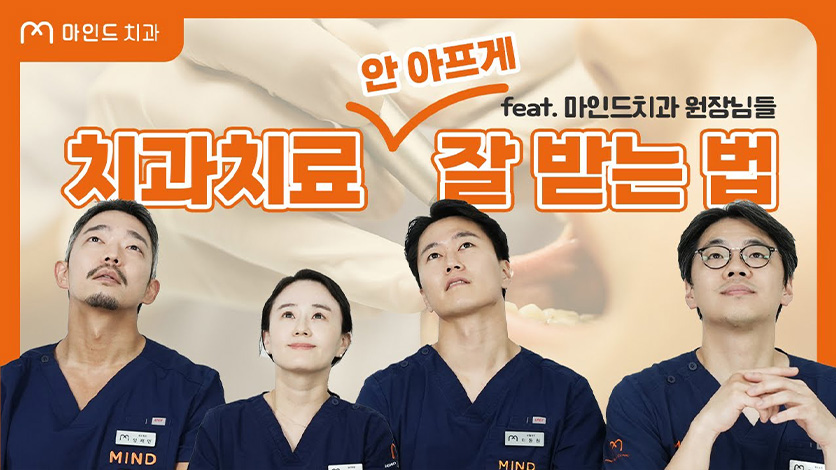
Shall we hear tooth care tips from dental specialists working at the clinic?

Off to Vietnam to share hope and love~!!🎉🎉
•
LOCATION
MIND Dental Clinic in Ansan
4F, Central Tower, 72 Gojan-ro, Danwon-gu, Ansan-si, Gyeonggi-do
031-401-9375| Monday – Thursday | 10:00 ~ 20:00 |
|---|---|
| Friday | 10:00 ~ 18:00 |
| Saturday · Sunday · Public holidays | 10:00 ~ 16:00 |
MIND DENTAL CLINIC
If you have any questions, please call us.
You can also request an appointment through Naver Booking.